Let me start with a bedtime story.
Once upon a time, women were not only part of the system—they were the system.
From Ancient Egypt to the Mayan and Celtic worlds, women were revered as leaders, life-givers, and sacred forces. They held spiritual and political power, guided communities, and embodied creation and wisdom. Queens like Hatshepsut ruled Egypt as Pharaohs. The Mayan goddess Ix Chel represented healing and fertility. The Celtic Morrigan stood for sovereignty, strength, and prophecy. Goddesses. Leaders. Creators of life.
What happened before that? Well, before written history, in the caves and early human settlements, anthropologists believe that women played central leadership roles—through wisdom and social engagement. Evidence from Palaeolithic cave art and burial sites suggests women were seen as spiritual leaders, healers, and those that possessed the knowledge.
While men hunted, women gathered, tracked seasonal changes, understood fertility cycles, nurtured young minds, and maintained the stories and rituals that formed the backbone of culture. They observed ecosystems, mapped territories mentally, and built communities. These were the first scientists and systems thinkers.
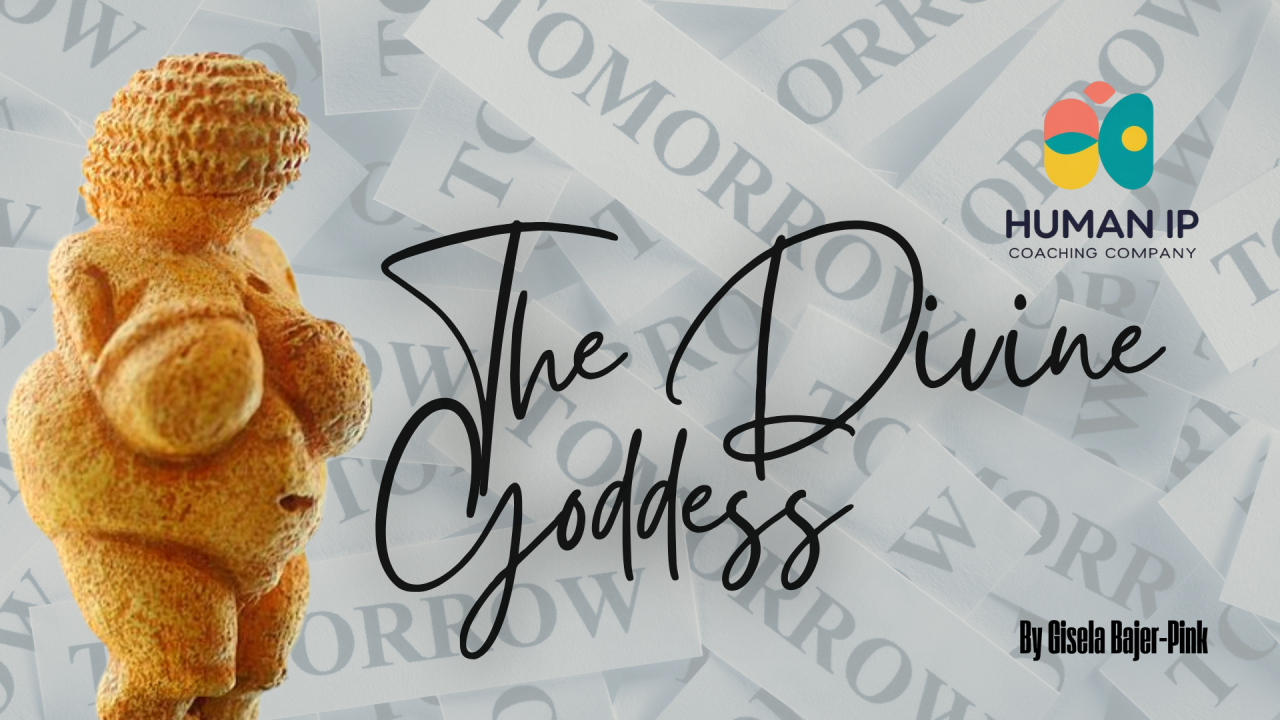
The Venus of Willendorf, dating back over 25,000 years, depicts women as symbols of fertility and divinity: the mother goddess. They weren’t passive figures but embodied power, life, mystery. The divine feminine was celebrated, not feared.
But something changed. And the world, as we know it, has never been the same. What Happened? When did we as women lose our voices?
The shift didn’t happen overnight. With the rise of agriculture and the concept of private property, control became central. Power. Men began to dominate public life, and women’s power was gradually constrained to the private sphere. As monotheistic religions replaced goddess-centred traditions, goddesses disappeared, and patriarchal structures solidified. Colonisation and capitalism further encouraged male dominance, often violently suppressing female-centric cultures. Raping. Killing. Stoning.
It is worth asking, though: Was this only about physical strength and control? Or was it also about fear? Fear of the sacred feminine power to create, nurture, and lead with empathy and intuition. A power that couldn’t be controlled, only revered.
From Balance to Imbalance
As the feminine voice was silenced, the world shifted towards conquest, hierarchy, and control. Sounds familiar? Dominance instead of dialogue. And in doing so, we lost something essential: the balance between masculine and feminine forces. Not man vs. woman, but the balance of qualities that we both carry—logic and intuition, action and reflection, power and compassion. The power of team.
Reclaiming the Sacred Feminine
The world today still echoes this imbalance. But the ancient female voice is not gone: it’s itching to come back. As women, we are reclaiming our right to lead, to speak. We see it in many countries now being led by women, or a slowly increasing number of women in boardrooms or CEO positions.
Being led by ‘the feminine’ does not mean excluding men. It means including qualities long excluded. It means building from wisdom, empathy, and collaboration, rather than fear, ego, and competition.
Why It Matters Now
As we face existential threats—climate crisis, inequality, wars, AI advancement— what kind of leadership do we need in the World? What if the way forward isn’t new, but ancient? What if feminine wisdom, buried for centuries, is the key to creating a human-centric, balanced, nurturing and sustainable world?
Here’s my acknowledgement to all those ancient female leaders. Our beginnings. And perhaps, our way forward.